Objectives of the “Inclusive Youth Football” Project
The project’s main objectives are to promote football as a tool for social inclusion aimed at young people from different socioeconomic, cultural, and educational backgrounds, as well as to develop and validate innovative pedagogical methodologies that foster more inclusive, safe, and participatory sporting environments.
Other goals of the project include strengthening the training and capacity-building of technical staff, coaches, and sports administrators by providing them with practical tools for managing diversity in sporting contexts, as well as fostering international cooperation between universities, sports associations, and training institutions through the sharing of scientific knowledge and best practices. The project also aims to contribute to public policies and associative strategies that recognise and enhance the social role of sport, particularly youth football.
In addition, one of the central topics addressed focused on “Bio-Banding”, an innovative methodology that organises young athletes according to their level of biological maturation, complementing the traditional system based on chronological age. This approach helps to mitigate inequalities resulting from differences in growth and physical development, promoting more balanced, safe, and fair competitive environments.
Among the main benefits of bio-banding are greater equality of opportunities, increased participation and confidence among young athletes, a reduction in the risk of injuries and early dropout from sport, as well as the creation of environments more conducive to technical, tactical, psychological, and social development. This methodology therefore reinforces the inclusive dimension of youth football, fully aligning with the principles and objectives of the “Inclusive Youth Football” project.
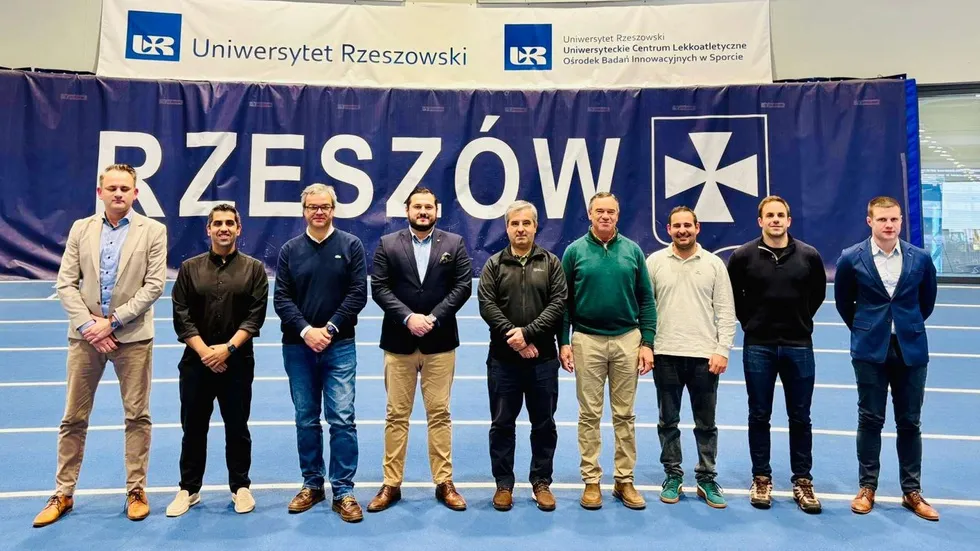
AFM’s participation in this international meeting made it possible to closely follow the development of the project’s scientific and technical work, while also strengthening the position of the Autonomous Region of Madeira as an active and credible partner in European projects aligned with the values of inclusion, education, and citizenship through sport.
The Madeira Football Association will remain committed to taking part in strategic projects that promote a more inclusive, educational, and socially responsible form of football, for the benefit of young people, clubs, and the wider community.